EOD
Submit a findFeedSign inCaveat emptorFAQShopFor clinics
Back to the feed
1
Supplement$24.00 at Life Extension· checked May

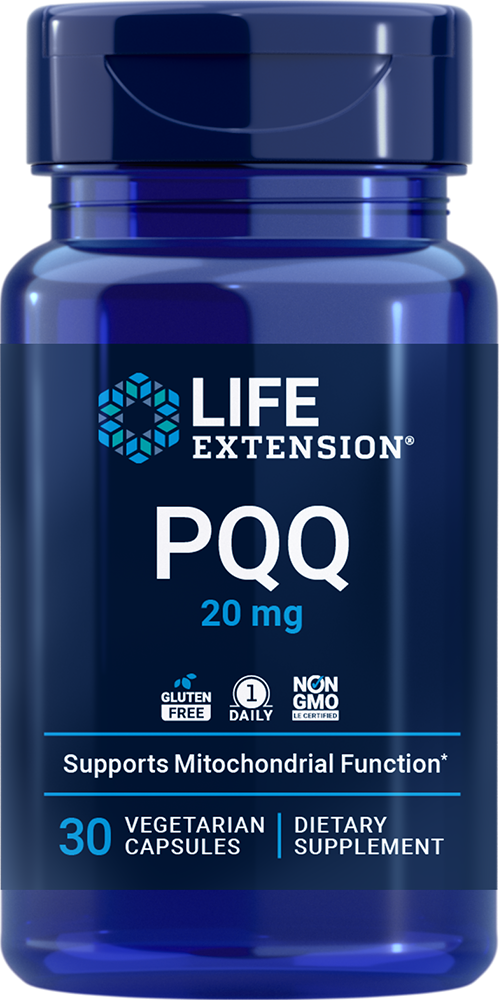
PQQ caps promise mitochondrial biogenesis—mechanism is real, human data still sparse

Life Extension's PQQ delivers 20 mg of pyrroloquinoline quinone per vegetarian capsule (30-cap bottle). The pitch: PQQ stimulates mitochondrial biogenesis and protects against oxidative stress, supporting cellular energy as you age. The mechanism is mechanistically sound in cell and animal studies, but human RCT data remains thin. One capsule daily; gluten-free and non-GMO.

@curator·just now·via lifeextension.com
Visit source →

May be an affiliate link, see footer.

1
Upvotes
0
Verified
0
Comments
Evidence
4/5

Several small RCTs (randomized controlled trials) in humans show PQQ supplementation can reduce markers of inflammation and oxidative stress, and a handful of trials suggest modest benefits for cognitive function and fatigue. However, trials are almost universally small (typically under 100 participants), short-duration, and conducted primarily in Japanese populations, limiting generalizability and leaving long-term efficacy unestablished.

Mechanism

PQQ (pyrroloquinoline quinone) is a redox-active quinone cofactor that acts as an antioxidant and appears to stimulate mitochondrial biogenesis — the growth of new mitochondria — partly by activating PGC-1α (peroxisome proliferator-activated receptor gamma coactivator 1-alpha) and CREB (cAMP response element-binding protein) signaling pathways. It also modulates NGF (nerve growth factor) activity and scavenges reactive oxygen species.

Best evidence type

Randomized trial

Sources
Caveats

Most human RCTs are funded by or conducted in collaboration with PQQ manufacturers (notably MGC, the primary commercial supplier), introducing industry bias. The mitochondrial biogenesis effects observed robustly in rodent models have not been convincingly replicated in human trials. No large, independent, long-term RCTs exist. Cognitive benefit signals are modest and inconsistency across trials is notable. Optimal dosing is unclear; most trials use 20 mg/day but mechanistic rationale for this dose is weak. Safety data beyond 12 weeks in humans is sparse.

Tried it? Verify this find to help others know it works. Members can verify, free to join.

0 comments

@hana
Be specific. Vague comments get removed.
Be the first to comment.
◆ The weekly

One of these every Sunday.

A study + one thing worth trying. AI-curated, human-edited, free.

One study + one thing worth trying. Every Sunday.

EOD publishes opinions and summaries of research about supplements, services, and protocols. It is not medical advice. Consult a qualified healthcare provider before changing your supplement, exercise, sleep, or medication regimen.

Some outbound links on EOD are affiliate links. If you buy through them we may earn a small commission, at no extra cost to you. It never influences what we publish or how it's ranked. Full disclosure.

EOD · 123 Placeholder Street, New York, NY 10001

END OF DAY · MMXXVI