1
Supplement$17.99◆ Editor's Pick
Kirkland Vitamin C 500 mg
Tracked by a member and shared to the feed.
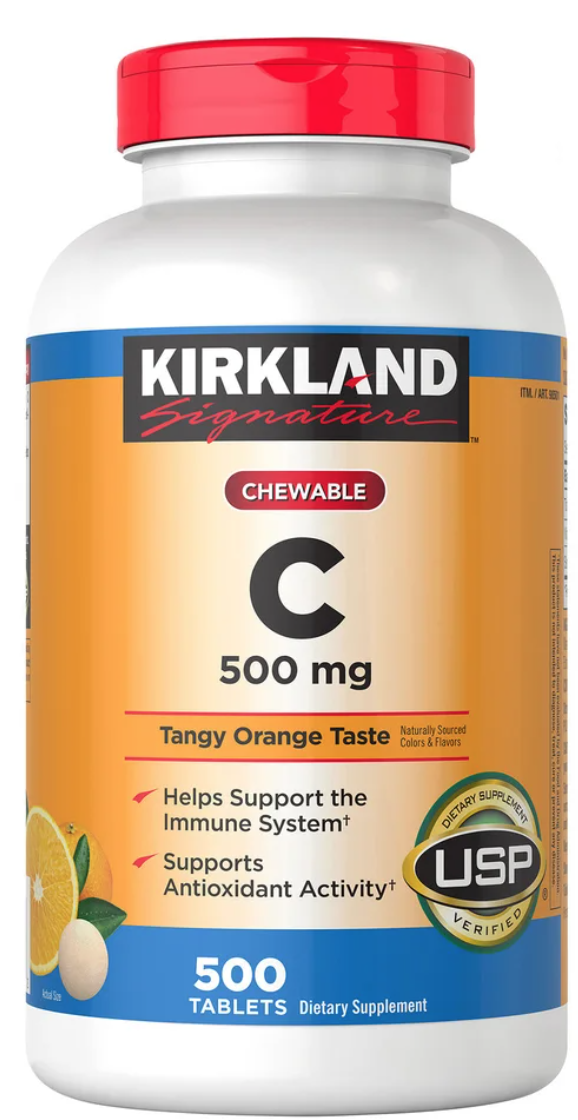
Tracked by a member and shared to the feed.
Multiple meta-analyses confirm vitamin C reduces common cold duration by ~8% in the general population and by ~50% in people under extreme physical stress (athletes, military recruits). Supplementation also shows modest benefits for wound healing and immune markers. However, high-dose supplementation does not prevent colds in most people, only shortens them once symptomatic.
Vitamin C (ascorbic acid) is a water-soluble cofactor for collagen synthesis, iron absorption, and antioxidant defense. It regenerates other antioxidants like vitamin E and supports immune cell function, particularly neutrophil and T-cell activity.
EOD publishes opinions and summaries of research about supplements, services, and protocols. It is not medical advice. Consult a qualified healthcare provider before changing your supplement, exercise, sleep, or medication regimen.
Some outbound links on EOD are affiliate links. If you buy through them we may earn a small commission, at no extra cost to you. It never influences what we publish or how it's ranked. Full disclosure.
EOD · 123 Placeholder Street, New York, NY 10001
May be an affiliate link.
Meta-analysis
“BACKGROUND: Vitamin C (ascorbic acid) for preventing and treating the common cold has been a subject of controversy for 70 years.”
“BACKGROUND: Randomized trials have shown that vitamin C shortens the duration of common colds.”
“AIM: To investigate whether vitamin C performs well as a supplemental treatment for common cold.”
“Background: Nutritional psychiatry increasingly links diet quality and specific bioactive nutrients to depression and anxiety outcomes.”
Vitamin C does not prevent colds in the general population—only reduces duration if already infected. Megadose supplementation (>2 g/day) offers no additional benefit over 200 mg/day and may increase kidney stone risk in susceptible individuals. Observational studies linking vitamin C to cardiovascular or cancer prevention have not translated to RCT support. Bioavailability plateaus around 200 mg per dose; excess is excreted.

0 comments
Join the conversation. Members can comment, verify, and save finds. Free.
Sign in to comment